Today’s news that South Korea’s president will stop at nothing to save the World Scout Jamboree is honourable to see. However, the methods to address this – as stated in the Guardian headline: “President says ‘unlimited’ air conditioned buses will be provided and food will be improved, after hundreds fall ill in heat amid soaring temperatures” – instead begets greater climate catastrophes, raising the question: what strategies can be instigated to remedy rather than ratchet up increasingly severe climate change events?
Such an occurrence is reminiscent of other attempts, such as heatwave crises where increased use of air conditioning destroys the energy system, leaving the people who need it most – those stuck at home such as the elderly and disabled – increasingly at risk to its impacts (see Banwell et al. 2012).
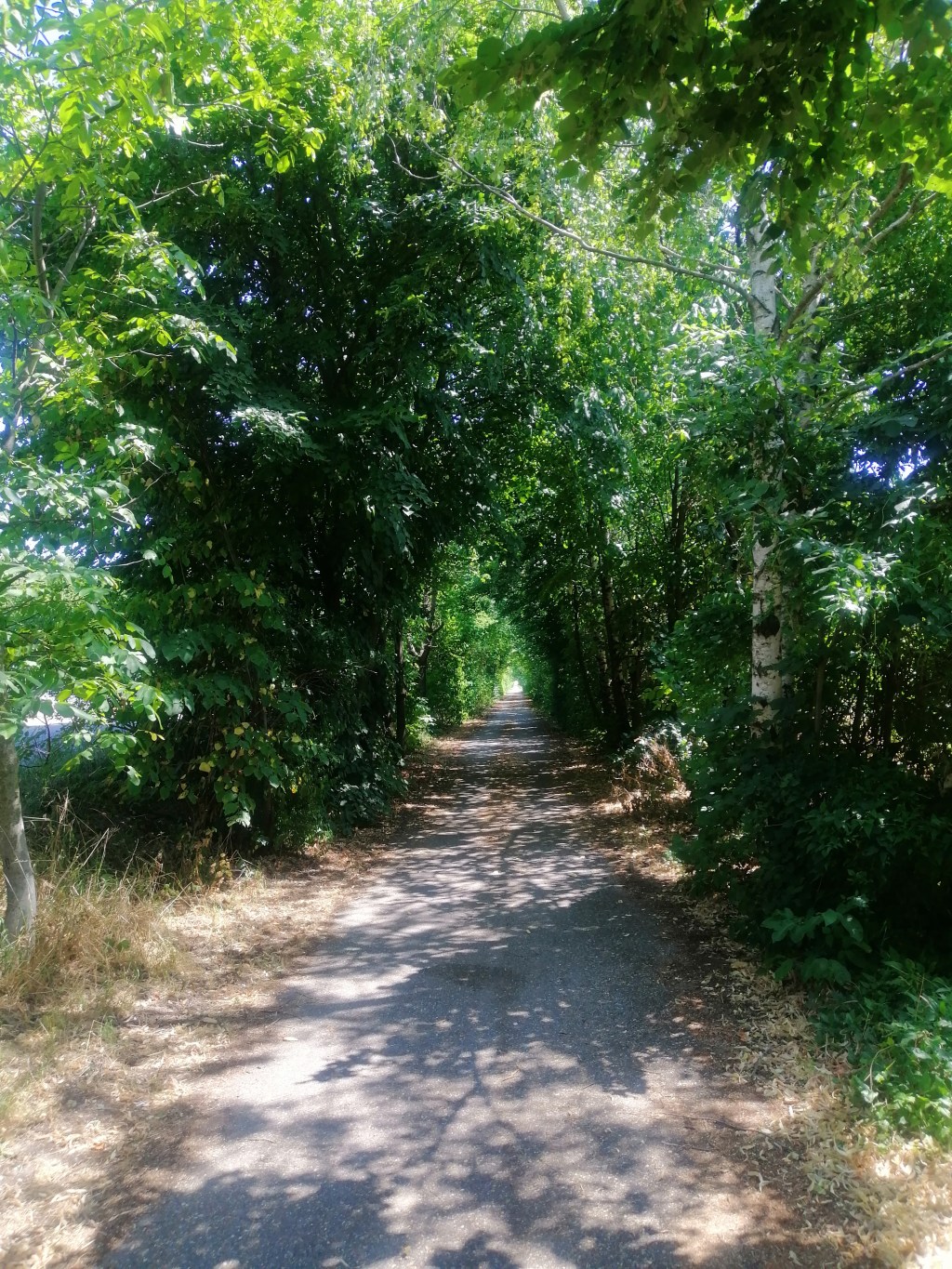
On a personal level, I’ve noticed similar situations when attempting to cycle in 40+ degree heat, where the air burns your lungs and you’re unable to move unless trees are planted in strategic spots to provide shade and a cooler breath of air. Rather than keep us on our bikes – a healthier version for both the planet and us – heatwaves, in addition to generating other debilitating trajectories, necessitate greater private car ownership, especially in the related failure of the public transport system due to melting train and tram lines (as occurred in Melbourne in 2019).
Of course, strategies are complex and foremost need to be context-based. As such, diverse scenarios of action need to be envisioned and designed to prevent further climate escalation. Such examples can occur on numerous levels and scales that include: individualised soft techniques, such as reduced energy strategies in the home; re-placing the problem by assisting the vulnerable to seek shared shelter elsewhere, such as providing a bus service to cinemas and shopping malls; social solutions such as the development of resilient community networks as described in Klinenberg’s fabulous book, ‘Heatwave: A Social Autopsy of Disaster in Chicago’; and urban design strategies, such as highlighting alternative routes of tree-lined paths and underground trails so everyone can make it all the way home.
Banwell, C., Dixon, J., Bambrick, H., Edwards, F., & Kjellstrom, T. (2012) Socio-cultural reflections on heat with implications for health and climate change adaptation in Australia, Global Health Action, October, 5: 19277. DOI: https://doi.org/10.3402/gha.v5i0.19277
 Ferne Edwards